Women Over 50 Are Redefining Retirement

What if the best years of your business life are still ahead of you?
There's a narrative shift happening right now that challenges everything society has told us about aging, retirement, and relevance. While mainstream media celebrates twenty-something tech prodigies and portrays entrepreneurship as a young person's game, a powerful truth is emerging from the data: your chances of building a wildly successful business actually increase with age.
This isn't wishful thinking or motivational fluff. This is science, backed by one of the most comprehensive entrepreneurship studies ever conducted.
Researchers at MIT, in collaboration with the U.S. Census Bureau, analyzed 2.7 million entrepreneurs who founded companies between 2007 and 2014. Their findings shattered the youth-centric mythology of Silicon Valley: a 50-year-old entrepreneur is 2.2 times more likely to build a successful startup than a 30-year-old. Even more striking, a 60-year-old founder is three times as likely to launch a successful startup as their 30-year-old counterpart.
Let that sink in for a moment. Three times more likely.
Among the fastest-growing companies—those in the top 0.1%—the average founder was 45 years old at the time of founding. Success doesn't diminish with age. It compounds.
The Data Doesn't Lie: Experience Beats Youth
The statistics paint a picture that directly contradicts popular belief:
According to the Global Entrepreneurship Monitor, entrepreneurial activity among people over 50 has increased by more than 50% since 2008. In America alone, 34 million older adults want to start a business.
Perhaps most compelling: five years after startup, 70% of ventures established by entrepreneurs over 50 are still operating, compared to just 28% of enterprises launched by younger founders.
Think about that survival rate. When you're 70 and starting a business, you're not just throwing spaghetti at the wall. You're leveraging decades of wisdom, pattern recognition, and hard-won expertise. Your business has staying power because you have staying power.
Research from the University of Michigan found that senior entrepreneurs are 2-3 times more likely to start a new business than to join the gig economy. This isn't about driving for Uber or delivering groceries. This is about building something substantial, something that matters.
The Untold Story of Colonel Sanders: Resilience at 65
Everyone knows KFC. But few people know the extraordinary story of the man behind those eleven herbs and spices—and how his real entrepreneurial journey didn't begin until most people are considering full retirement.
Harland Sanders was 65 years old, living on a $105-monthly Social Security check (equivalent to about $1,232 today), when he incorporated Kentucky Fried Chicken and began driving his 1946 Ford around the country signing up franchisees.
Let that image settle in your mind: a 65-year-old man, often sleeping in the back of his car, visiting restaurant after restaurant, cooking his chicken for skeptical owners, facing rejection after rejection.
Some accounts suggest he was rejected over 1,000 times before finding his first franchise partner. His first franchisee was Pete Harman, who operated one of Salt Lake City's largest restaurants in 1952.
By 1963—when Sanders was 66—he had 600 locations, including franchises in Canada, the UK, Mexico, and Jamaica. In 1964, at age 73, he sold the business for $2 million. By his death in 1980, KFC had about 6,000 outlets in 48 countries with $2 billion in annual sales.
Sanders's journey wasn't smooth. His twenties and thirties were filled with failed jobs and unsuccessful ventures. He had a short-lived legal career that ended after fighting with his own client. He was fired from selling insurance. At 30, he launched a ferry boat service that became obsolete when a bridge was built nearby. His oil lamp business failed as electricity reached rural America.
But here's what makes his story remarkable: he didn't let a lifetime of failures define his final act. At an age when society expected him to fade into obscurity, Sanders built a global empire. His secret? Decades of experience had taught him perseverance, taught him how to connect with people, and taught him that failure is just feedback.
Vera Wang: Redefining Success at 40 (and Beyond)
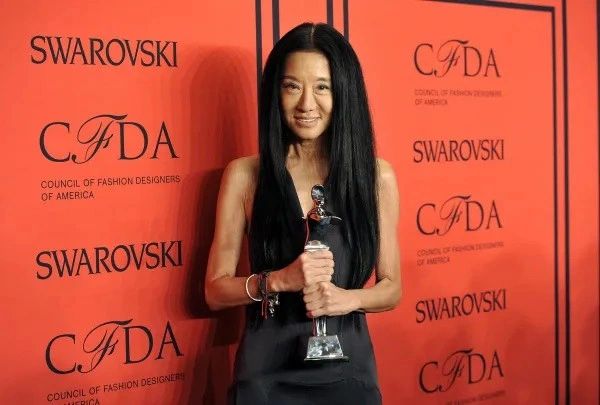
While not quite in her 70s, Vera Wang's story illustrates the power of late-blooming entrepreneurship and shows that your most impactful work can emerge decades into your career.
Wang spent 17 years at Vogue magazine, leaving in 1987 after losing out to Anna Wintour for the editor-in-chief position. She then worked for Ralph Lauren for two years as a design director. At 40, when she struggled to find a wedding dress she liked for her own wedding, her father saw a business opportunity and encouraged her to open her own bridal salon.
Wang was hesitant, thinking "maybe it's just too late for me." But her father provided seed money, and in 1990, she opened her flagship salon at the Carlyle Hotel in New York City.
Today? Wang's empire generates $700 million in annual sales. She has dressed celebrities from Michelle Obama to the Kardashians, expanded into ready-to-wear, accessories, fragrances, jewelry, and homeware, and become one of the most recognizable names in fashion.
As Wang herself reflected: "There have been a million days where I said to myself, 'What was I thinking?' or 'Why did I do this?' But there have been way more days where I felt extremely lucky to be doing something that I love so much."
Why Older Entrepreneurs Win: The Hidden Advantages
The research reveals several reasons why entrepreneurial success increases with age:
1. Execution Over Ideas
Young entrepreneurs often have creative ideas, but older entrepreneurs excel at execution. You've spent decades watching ideas succeed and fail. You know the difference between a viable business model and wishful thinking. You understand that execution—not innovation—is usually what separates winners from losers.
2. Networks That Open Doors
By your 50s and beyond, you've been around longer and know more people. These connections can be crucial to developing your business. Your network isn't just larger; it's deeper. You have relationships with decision-makers, potential partners, customers, and mentors who trust you because they've watched you operate with integrity for years.
3. Confidence Forged in Fire
With age comes experience, and you've seen challenges before. That breeds confidence. You know you can overcome obstacles because you already have, repeatedly. You're not paralyzed by imposter syndrome. You don't need external validation. You know what you're capable of because you've proven it to yourself countless times.
4. Access to Capital
Older people tend to have better credit and more financial resources, making it easier to fund a successful business. You've had decades to build savings, establish creditworthiness, and potentially benefit from home equity, retirement accounts, or other assets. You're not begging for venture capital from investors half your age who don't understand your market.
5. Industry Expertise
Founders with three or more years of experience in the same industry as their startup are twice as likely to have a fastest-growing company. By your 70s, you don't have three years of industry experience—you have 30, 40, or 50 years. You've seen cycles, trends, disruptions, and transformations. You know what customers really need, not just what they say they want.
The Modern Entrepreneurial Landscape: Perfectly Suited for Experience
Today's business environment has eliminated many traditional barriers that once made starting a business capital-intensive and risky:
Technology as the Great Equalizer
You no longer need a storefront, inventory, or employees to start. A laptop and internet connection can launch a global business. Online platforms handle payment processing, customer management, marketing, and logistics. The technical barriers that might have seemed intimidating a decade ago have been smoothed out with user-friendly tools designed for non-technical founders.
Remote Everything
The pandemic accelerated a shift that benefits older entrepreneurs: the normalization of remote work and virtual services. You can consult, coach, create, or sell from anywhere. Your age and any mobility limitations matter far less when your business operates primarily online.
The Experience Economy
Customers increasingly value expertise, authenticity, and wisdom. They're tired of influencers and want guidance from people who've actually lived through decades of experience. Your age isn't a liability—it's a differentiator. When you offer consulting, coaching, or educational services, your gray hair is a badge of credibility.
Real Talk: The Challenges Are Real, But Surmountable
Let's be honest about the obstacles older entrepreneurs face:
Age Discrimination in Funding
Research suggests that venture capitalists prefer working with younger founders, at least when investing in entrepreneurial hubs. Some theories suggest VCs find younger founders will sell equity at lower prices, offering higher returns.
But here's the thing: you probably don't need venture capital. The businesses that make the most sense for septuagenarian entrepreneurs—consulting, education, specialized services, creative work—typically don't require millions in outside funding. Your experience often allows you to bootstrap effectively or find alternative funding through small business loans, grants, or personal networks.
Physical Stamina
Yes, you might not be able to work 18-hour days like a 25-year-old. But you don't need to. Older workers between 60 and 74 now earn higher hourly wages than workers between 25 and 59, according to research by Gary Burtless of the Brookings Institution. You're more efficient. You've learned to work smarter, not harder. You delegate. You prioritize. You focus on high-impact activities instead of busywork.
Technology Learning Curves
The most successful older entrepreneurs embrace technology as a tool, not a barrier. You don't need to code or understand every algorithm. You need to be willing to learn the basics and hire or partner with people who have technical skills you lack. Your business judgment is what matters most.
Your Unfair Advantages at 70+
Consider what you bring to the table that younger entrepreneurs can only dream of:
Failure Immunity
You've already faced rejection, disappointment, and setbacks. Another "no" doesn't devastate you. You've learned that failure is temporary and often contains valuable lessons. This emotional resilience is perhaps your greatest competitive advantage.
Freedom from Proving Yourself
You're not building a business to impress your parents, silence critics, or prove you're worthy. You're doing it because you genuinely believe you have something valuable to offer. This authenticity attracts customers in ways that ego-driven hustle never can.
Perspective on What Matters
By 70, you know what's actually important. You're not chasing vanity metrics or building something just to flip it for a quick exit. You're focused on meaning, impact, and legacy. This clarity of purpose creates businesses with soul and staying power.
Life Experience as Product Insight
If you're creating products or services for older adults—a massive and growing market—you have empathy that younger entrepreneurs cannot fake. You understand the pain points, frustrations, and needs intimately because you're living them.
Support Systems: You Don't Have to Figure It Out Alone
The AARP Foundation launched a nationwide Work for Yourself@50+ program to help older adults with limited income explore self-employment opportunities.
Beyond formal programs, the internet provides unprecedented access to education, mentorship, and community. Online courses teach everything from digital marketing to bookkeeping. YouTube offers free tutorials on virtually every business skill. Forums, Facebook groups, and LinkedIn communities connect entrepreneurs at every stage.
According to recent statistics, there are approximately 594 million entrepreneurs globally, representing about 7.4% of the world's population. You're not alone in this journey. There's an entire ecosystem of support available.
What to Start: Business Ideas Perfectly Suited for Your Seventh Decade

Consulting in Your Field
You have 40+ years of industry knowledge. Companies will pay premium rates for your strategic insights, problem-solving ability, and mentorship. You can work remotely, set your own hours, and choose clients you genuinely want to help.
Educational Content Creation
Online courses, workshops, webinars, and coaching programs allow you to package your expertise and sell it repeatedly. Platforms like Teachable, Udemy, and Coursera make it easy to reach a global audience without technical complexity.
Specialized Services
Professional organizing, estate planning assistance, senior move management, caregiving consulting—services that require emotional intelligence, patience, and life experience often performed better by older entrepreneurs who truly understand their clients.
Creative Pursuits
Writing, photography, art, music—if you've always wanted to monetize your creative passion, now is the time. The internet allows artists to build direct relationships with customers without galleries, publishers, or intermediaries taking massive cuts.
Problem-Solving Businesses
What has frustrated you for decades? What gap have you noticed that nobody seems to be addressing? Your keen observational skills and decades of consumer experience give you insight into problems worth solving.
Your 70s: The Beginning, Not the End
Here's the revolutionary truth that data keeps confirming: your 70s are not your sunset years. They might be your sunrise.
You have advantages that took a lifetime to accumulate. You have resilience forged in decades of challenges. You have wisdom that cannot be taught in business school. You have networks that open doors. You have perspective that brings clarity. You have freedom from ego that allows authenticity.
Research from UPS found that 54% of respondents would rather open a small business than retire, if money or health were not factors. The desire to build, create, and contribute doesn't diminish with age—it often intensifies as you become clearer about what truly matters.
Colonel Sanders was sleeping in his car at 65, pitching fried chicken recipes. Within eight years, he'd built a global empire. Vera Wang thought she was "too late" at 40. She built a $700 million business. Warren Buffett is approaching $100 billion net worth well into his 90s and shows no signs of backing away from business and investments.
These aren't exceptional people with superhuman abilities. They're individuals who refused to internalize society's limiting beliefs about age and capability. They recognized that everything they'd learned, everyone they'd met, and every challenge they'd overcome had been preparing them for exactly this moment.
The Only Question That Matters
Not "Am I too old?"
Not "Is it too late?"
Not "What will people think?"
The only question is: What problem do I want to solve?
What gap have you noticed? What frustrates you? What do you wish existed? What expertise have you accumulated that others desperately need? What creative vision has been percolating in the back of your mind for years?
You have the experience. You have the resilience. You have the wisdom. You have the networks. You have the time.
The research is clear: your odds of success are better now than they've ever been.
Your 70s aren't the epilogue of your productive life. They might just be the chapter where you finally write the story you were always meant to tell.
What are you going to build?

Helpful Resources for Aspiring Entrepreneurs Over 50
AARP Foundation Work for Yourself@50+ Programhttps://www.aarp.org/
MIT Study on Age and Entrepreneurship (Harvard Business Review)https://hbr.org/2018/07/research-the-average-age-of-a-successful-startup-founder-is-45
U.S. Small Business Administrationhttps://www.sba.gov/
SCORE - Free Business Mentoringhttps://www.score.org/
Boldin Retirement Plannerhttps://www.boldin.com/retirement/success-later-in-life/
Global Entrepreneurship Monitorhttps://www.gemconsortium.org/