
Protect Your Retirement: Stop Medicare Scams
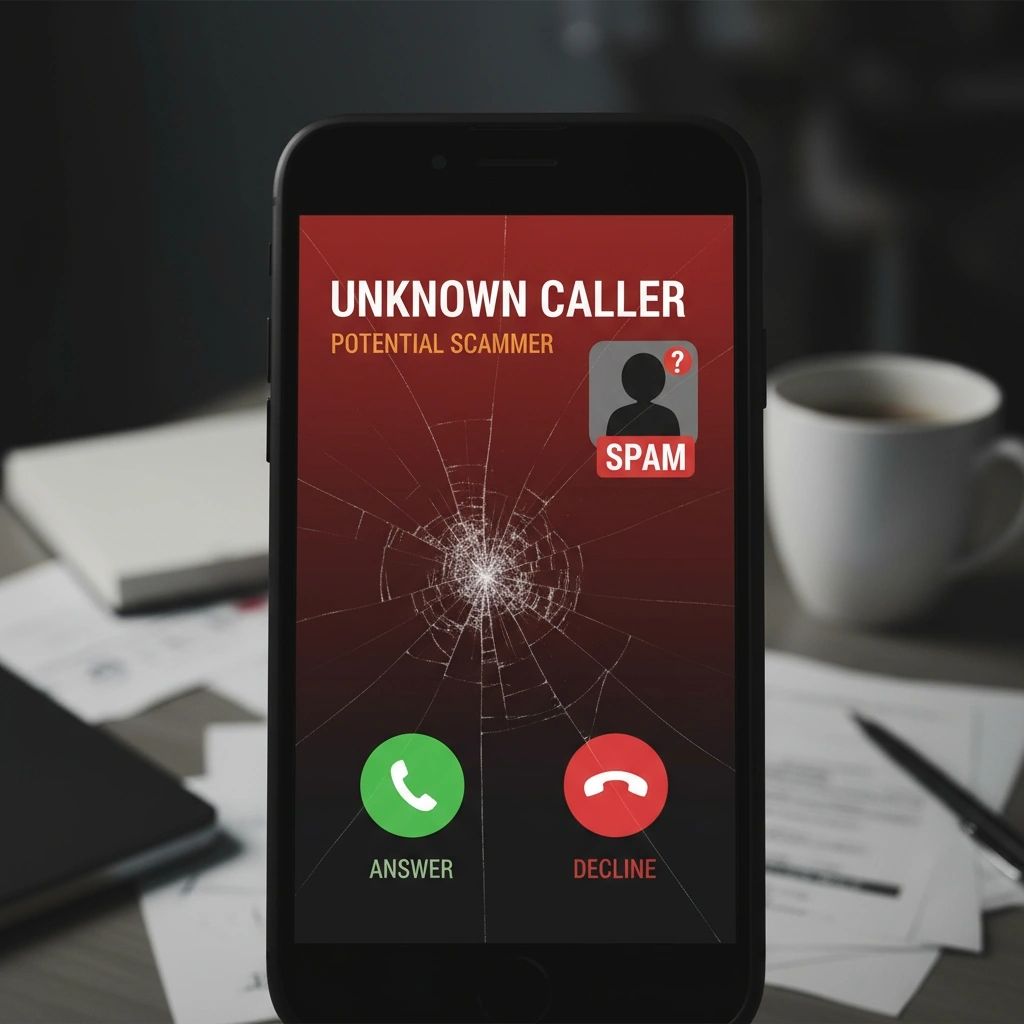
The phone rings. The caller ID displays what appears to be a government number. A professional-sounding voice on the other end claims they're calling from Medicare with urgent information about your coverage. They need to verify your Medicare number immediately, they say, or you'll risk losing your benefits.
This scenario plays out thousands of times every day across America, targeting some of our most vulnerable citizens. But here's what you need to know: Medicare didn't make that call. Criminals did. These sophisticated scam operations have become increasingly common, especially as technology makes it easier for fraudsters to appear legitimate and trustworthy.
As Medicare's open enrollment period approaches each fall, scammers intensify their efforts, exploiting the confusion and urgency many seniors feel about their healthcare coverage. Understanding how these schemes work—and how to protect yourself—has never been more critical, especially as you work toward redefining your retirement on your own terms. The financial security you've built over decades can be undermined in a single phone conversation if you're not prepared to recognize and resist these tactics.
The Landscape of Medicare Fraud
Medicare fraud costs American taxpayers billions of dollars annually, but the true victims are the individuals whose personal information gets stolen and whose medical identities get compromised. Unlike credit card fraud, which typically gets resolved relatively quickly, Medicare fraud can take months or even years to untangle, leaving victims with damaged credit, fraudulent medical records, and mountains of paperwork. The complexity of the healthcare system means that once your Medicare identity is compromised, unraveling the fraudulent activity requires persistence, documentation, and often professional assistance to fully resolve.
The stakes are particularly high because Medicare beneficiaries often live on fixed incomes and may not have the financial cushion to absorb the consequences of identity theft. Moreover, compromised medical records can lead to dangerous situations where healthcare providers make decisions based on fraudulent information in a patient's file. Imagine a scenario where your medical records show you've received medications you've never actually taken, or procedures you've never undergone—this misinformation could lead to dangerous drug interactions or inappropriate treatment recommendations that put your health at serious risk.
"It's prime time during open enrollment because you don't know the details yet," explained Nicole Liebau, strategic partnership and engagement director for the Senior Medicare Patrol Resource Center. Scammers understand that people reviewing their plans may be more susceptible to sharing personal information, especially when presented with what sounds like an official request or an attractive new benefit. The confusion surrounding plan changes, coverage options, and enrollment deadlines creates the perfect environment for criminals to insert themselves as seemingly helpful advisors who actually intend to steal your identity and benefits.
Understanding How Medicare Actually Works
Before diving deeper into scam tactics, it's essential to understand legitimate Medicare operations. Medicare is the federal health insurance program designed primarily for people 65 and older, though younger individuals with certain disabilities also qualify. The program has evolved significantly over the years, with one of the most important changes occurring in 2018 when Medicare removed Social Security numbers from ID cards. This fundamental shift in how Medicare identifies beneficiaries was specifically designed to reduce identity theft, though it can only protect you if you maintain vigilance about sharing your personal information.
This change represented a significant step forward in protecting beneficiaries from identity theft. Previously, Medicare cards displayed Social Security numbers prominently, making them a goldmine for identity thieves. The new cards use a unique Medicare Beneficiary Identifier (MBI) instead, which provides a layer of protection—but only if you don't voluntarily hand over your personal information to scammers. Even with this improved security measure, your active participation in protecting your information remains the most critical line of defense against fraud.
Here's a crucial fact that could save you from becoming a victim: You only enroll in Medicare once. Despite what scammers might tell you, you don't need to re-enroll annually. If you're already receiving Social Security benefits at least four months before turning 65, you'll be enrolled automatically in Medicare Parts A and B, according to USAGov. This is one of the key facts that scammers try to obscure—they create artificial urgency around "re-enrollment" deadlines that simply don't exist, hoping you won't realize that initial enrollment is a one-time process.
However, there are legitimate decisions you'll make periodically. During the annual open enrollment period (October 15 through December 7), you can choose to add Part D prescription drug coverage, switch to a Medicare Advantage plan, or make other changes to your coverage. This is precisely the window of confusion that scammers exploit. They blur the line between making voluntary changes to your existing coverage and falsely claiming you need to "re-enroll" entirely, using this misunderstanding to extract personal information under the guise of helping you maintain your benefits.
The Anatomy of Medicare Scam Calls
Medicare scammers have refined their tactics over years of operation. These aren't amateur operations—they're sophisticated criminal enterprises, often operating from overseas locations beyond the reach of U.S. law enforcement. The organizations behind these scams employ teams of trained callers who work from scripts designed by criminal psychologists who understand exactly how to manipulate their targets and bypass their natural defenses.
"The actors behind these scams are organized crime," noted Eric Croak, a certified financial planner (CFP), accredited wealth management advisor, and president of Croak Capital. "Predominantly offshore. Recycled lead lists from insurance agencies, data brokers, and databases that have been hacked and sold. They're not one guy with a burner phone." These sophisticated operations have access to your personal information before they even call, which allows them to reference details about your life that make their scam seem more legitimate and harder to detect.
These criminal organizations employ various psychological manipulation techniques designed to bypass your natural skepticism. Understanding their methods is your first line of defense. By recognizing the patterns and tactics they use, you can identify a scam even when the caller sounds professional and seems to have legitimate information about your Medicare coverage.
Spoofed Caller ID
Modern technology allows scammers to manipulate what appears on your caller ID display. They can make it look like the call is coming from a legitimate medical provider, a government agency, or even Medicare itself. This technique, called "spoofing," creates an immediate sense of legitimacy that can disarm even cautious individuals. The technology to accomplish this is readily available and inexpensive, making it one of the most common tools in a scammer's arsenal.
When you see an official-looking number on your phone, your brain naturally categorizes the call as trustworthy. Scammers count on this automatic response to get past your initial defenses. The Federal Communications Commission (FCC) has been working to combat caller ID spoofing, but the technology remains widely available to criminals. Despite regulatory efforts and technological countermeasures, the ease and low cost of spoofing means you cannot rely on caller ID as an indicator of a call's legitimacy—you must verify every unexpected call through independent means.
Creating Artificial Urgency

Scammers frequently employ high-pressure tactics designed to prevent you from thinking clearly or consulting with trusted advisors. They might claim your Medicare card is about to expire and needs immediate replacement, there's a problem with your account that requires immediate attention, you're about to lose benefits if you don't act right now, or a special enrollment period is closing within hours. Each of these scenarios is designed to trigger an emotional response that overrides your rational judgment and prevents you from taking the time to verify the information through legitimate channels.
These artificial deadlines serve a specific purpose: they trigger your fight-or-flight response, flooding your system with stress hormones that impair rational decision-making. When you're anxious about losing healthcare coverage, you're more likely to comply with requests for personal information. Scammers understand human psychology well enough to know that creating a sense of crisis makes people act impulsively rather than thoughtfully, which is exactly when mistakes happen and personal information gets revealed to the wrong people.
The Offer Too Good to Refuse
Another common approach involves dangling attractive benefits that seem too good to pass up, such as free medical equipment like wheelchairs, braces, or diabetes supplies, special rewards or cash back on your Medicare premiums, exclusive enrollment deals with significant savings, or upgraded coverage at no additional cost. These offers exploit a natural human tendency to seek value and avoid missing out on opportunities, particularly appealing to seniors on fixed incomes who are looking for ways to stretch their retirement dollars further.
The scammer presents themselves as doing you a favor, creating a sense of reciprocity that makes you more willing to provide the information they request. By positioning themselves as someone offering you something valuable, they create a psychological debt that makes you feel obligated to cooperate with their requests. This manipulation of the reciprocity principle is particularly effective because it doesn't feel like you're being scammed—it feels like you're engaging in a mutually beneficial transaction, when in reality you're the only one who stands to lose.
The Verification Request
Perhaps the most insidious tactic involves a simple request to "verify" or "confirm" your information. The scammer might say they have your Medicare number on file and just need you to confirm the last four digits. Or they might read off several digits and ask you to provide the missing ones. This approach is particularly dangerous because it seems like such a small, harmless request—surely confirming information that someone already has can't cause any problems, right?
This approach works because it doesn't feel like you're giving away information—after all, they already have it, right? Wrong. This is a social engineering technique designed to trick you into revealing your complete Medicare number, Social Security number, or other sensitive data. In reality, the scammer may have only partial information obtained from data breaches or other sources, and they're using this "verification" tactic to trick you into providing the missing pieces they need to commit full-scale identity theft and Medicare fraud.
What Scammers Are Really After
"The recent scams don't request money up front, but rather try to steal your Medicare ID number," Croak explained. "That's the real gold mine. If that number is out there, it's all over. The criminals can start submitting fraudulent claims and literally take tens of thousands in billed services before they're discovered." The shift from immediate financial scams to identity theft reflects the sophistication of modern Medicare fraud—criminals understand that your Medicare number provides access to a much larger payday than anything you might wire or send directly.
Your Medicare number is the gateway to committing healthcare fraud. With this number, criminals can submit fraudulent claims, steal your medical identity, and access other personal information that opens the door to comprehensive identity theft affecting every aspect of your financial life. The cascading effects of a compromised Medicare number extend far beyond healthcare fraud, potentially affecting your credit, your banking, your tax returns, and virtually every other system that relies on your identity verification.
Submit Fraudulent Claims
Scammers work with corrupt medical providers or create entirely fictitious medical practices to bill Medicare for services never rendered. These might include expensive medical equipment, unnecessary tests, or even phantom surgical procedures. The money gets paid out before the fraud is detected, and by then, the criminals have disappeared with the funds. The Medicare system, which processes millions of claims monthly, cannot catch every fraudulent claim immediately, which means criminals often have weeks or months to exploit a stolen Medicare number before anyone notices the suspicious activity.
Steal Your Medical Identity
Beyond the financial theft, medical identity fraud creates dangerous complications for your actual healthcare. When scammers use your Medicare number to obtain services or equipment, those fraudulent transactions become part of your medical record. This can lead to incorrect information in your medical file that affects future treatment decisions, exhausted coverage limits for equipment or services you actually need, damage to your credit if unpaid bills go to collections, and complications with insurance coverage going forward. Medical identity theft is particularly insidious because it creates a false medical history that can follow you for years, potentially affecting life-or-death healthcare decisions made by providers who rely on the accuracy of your medical records.
Imagine needing a specific medical device only to be told you've already received one this year—except you haven't. The scammer used your Medicare number to obtain it, and now you're left fighting bureaucracy while dealing with a genuine health need. This scenario plays out regularly for victims of Medicare fraud, who find themselves caught in a nightmare of paperwork and appeals while their actual health needs remain unmet. The emotional toll of fighting these battles while managing health conditions adds another layer of harm to an already devastating crime.
Access Other Personal Information
Medicare numbers, Social Security numbers, and dates of birth form a powerful combination for identity thieves. With this information, criminals can open credit card accounts in your name, take out loans, file fraudulent tax returns to steal your refund, access your bank accounts, and obtain government benefits. Each piece of personal information acts as a key that unlocks additional opportunities for fraud, creating a cascade of identity theft that extends far beyond the original Medicare scam.
The cascading effects of a single compromised phone call can take years to fully resolve—undermining the financial security you've worked so hard to build for your retirement years. Victims of comprehensive identity theft often spend hundreds of hours over multiple years working to restore their credit, correct their records, and rebuild their financial reputation. The emotional and psychological toll of this process can be as damaging as the financial impact, creating stress, anxiety, and a lasting sense of violation that affects quality of life during what should be peaceful retirement years.
How Medicare Really Communicates
Understanding Medicare's actual communication practices is essential for identifying scams. Here's the truth: Medicare will never call you unexpectedly. This single fact is your most powerful tool for identifying Medicare scams, yet it's one that scammers desperately try to obscure through their manipulative tactics and urgent messaging.
"The main thing we try to tell people is that Medicare is not going to call you," Liebau emphasized. "They're going to send you something in the mail, or they're going to communicate through your Medicare.gov account." This is the single most important fact to remember, and it applies universally with virtually no exceptions. Medicare's standard procedure involves written communication first, always giving you time to review information and respond thoughtfully rather than demanding immediate action over the phone.
Written Communication First
If Medicare needs to contact you about anything—changes to your coverage, problems with your account, updates to your benefits—they will send you a letter through the U.S. Postal Service first. This written notification will explain the situation and provide clear next steps. The letter will give you specific information about the issue, including reference numbers, timelines, and contact information you can use to follow up if needed—all verifiable details that a scammer cannot provide.
Only after sending written notification might Medicare follow up with a phone call, and even then, the letter will have informed you to expect that call. If you receive a phone call without prior written notice, it's not from Medicare. This predictable pattern of communication—letter first, possible follow-up call only after written notice—gives you a clear framework for evaluating any call that claims to be from Medicare, making it easy to identify scams that don't follow this protocol.
Secure Online Portal
Medicare also communicates through your account at Medicare.gov. This secure portal allows you to review your coverage and benefits, check claims and payment history, order replacement cards, update your personal information, and find and compare plans. By regularly checking your online account, you can stay informed about any legitimate issues with your Medicare coverage and verify that there are no fraudulent claims being filed under your number.
If you receive a call claiming to be from Medicare about any of these issues, you can and should verify the information by logging into your Medicare.gov account independently—never through a link provided by the caller. Always type the Medicare.gov address directly into your browser rather than clicking on any links in emails, text messages, or provided by callers, as these links may lead to fraudulent websites designed to steal your login credentials and personal information.
They Never Ask for Your Full Medicare Number
In legitimate interactions, Medicare already has your information. They don't need you to provide your Medicare number, Social Security number, or banking information over the phone. If someone claiming to be from Medicare asks for this information during an unsolicited call, you're talking to a scammer. This is an absolute rule with no exceptions—legitimate Medicare representatives understand privacy laws and proper procedures, and they would never request sensitive information during an unsolicited phone call regardless of the circumstances they describe.
Protecting Yourself: A Comprehensive Strategy
Protection from Medicare scams requires multiple layers of defense. No single approach guarantees complete safety, but combining several strategies significantly reduces your vulnerability. Think of fraud protection like home security—you don't rely on just a lock or just an alarm; you use multiple measures that work together to create comprehensive protection.
Screen Your Calls
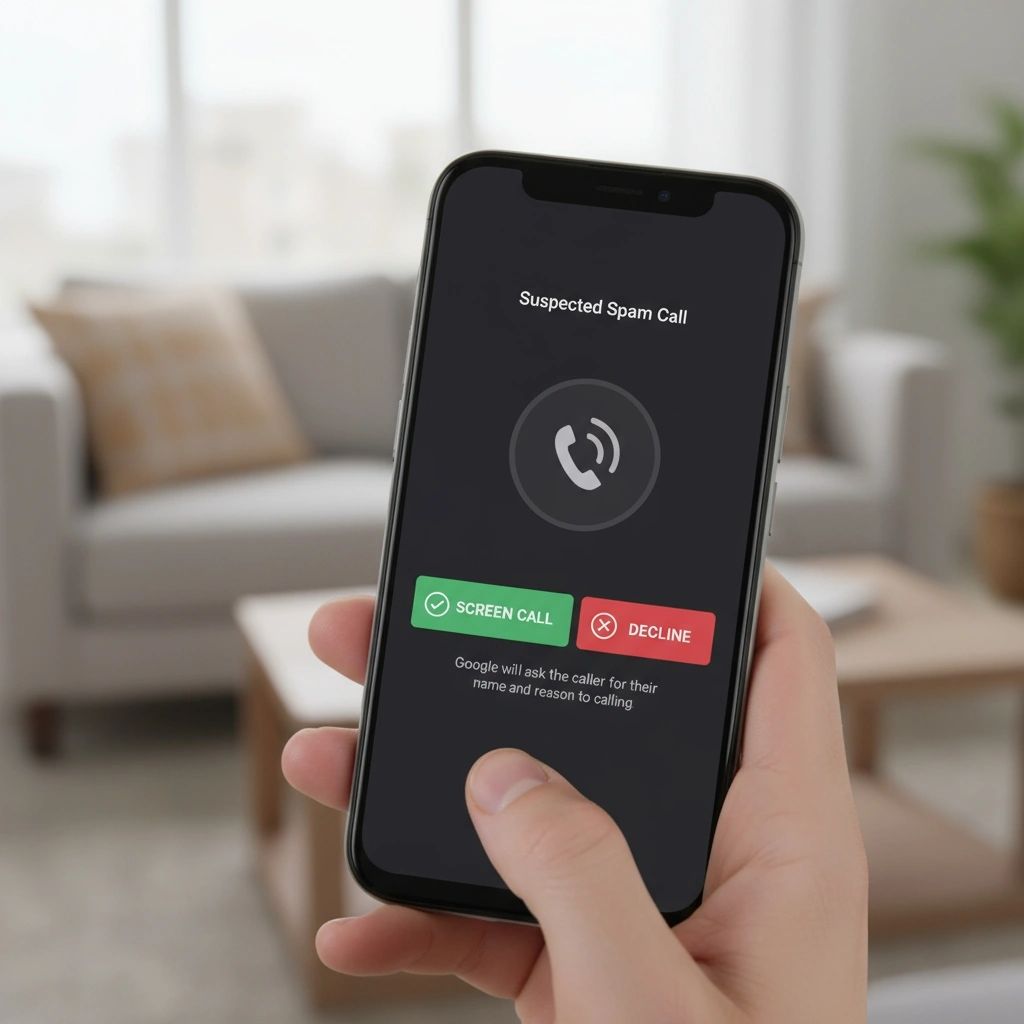
The simplest defense is often the most effective: don't answer calls from unknown numbers. Let them go to voicemail. Legitimate callers will leave a message with specific information and a callback number you can verify independently. In today's world of robocalls and phone scams, there's no obligation to answer every call that comes through—screening calls is a smart, practical approach to avoiding fraud.
Many smartphones now include built-in spam detection that can identify potential scam calls. Enable these features and consider third-party apps that provide additional protection. Technology can be your ally in the fight against scammers, automatically filtering out many fraudulent calls before they ever reach you and reducing the burden of constant vigilance.
Hang Up Immediately
If you do answer and something feels off—the caller is pushy, asks for personal information, creates artificial urgency, or mentions anything you didn't initiate—end the call. Don't worry about being rude. Scammers count on social conditioning that makes people reluctant to hang up on others. Your safety and financial security are far more important than telephone etiquette, and you owe no explanations or justifications to someone who has called you unsolicited.
You don't owe explanations to strangers on the phone. A simple "I'm not interested" followed by ending the call is perfectly appropriate. If the caller claims to be from Medicare or another official organization, tell them you'll call back using the official number and then actually do so if you're concerned. This approach protects you while still allowing you to follow up on any legitimate issues through proper, verifiable channels.
Never Provide Personal Information
This rule has no exceptions during unsolicited calls. Don't give out your Medicare number or card, your Social Security number, your date of birth, your bank account or credit card numbers, or your passwords or PINs. Even seemingly innocent information can be valuable to scammers, who build profiles piece by piece, sometimes calling multiple times to gather different bits of information that they eventually combine into a complete identity theft package.
Even seemingly innocent information can be valuable to scammers. They build profiles piece by piece, sometimes calling multiple times to gather different bits of information. What seems like a harmless detail—confirming your birthdate, mentioning your doctor's name, or verifying your address—can be combined with other stolen data to create a complete profile that enables comprehensive identity theft and fraud.
Verify Before Trusting
If a caller claims to represent Medicare, your insurance company, or a medical provider, and you think the call might be legitimate, follow these steps: Get the caller's name and callback number, end the call, look up the official number for the organization independently (don't use the number the caller provided), call that official number and ask if there's an issue with your account, and reference the earlier call to verify whether it was legitimate. This process takes a few extra minutes but can save you from devastating consequences that would take years to resolve.
This process takes a few extra minutes but can save you from devastating consequences. The small inconvenience of hanging up and calling back through official channels is nothing compared to the months or years of hardship that result from falling victim to a Medicare scam. By making verification your standard practice, you create a habit that protects you consistently without requiring you to perfectly judge whether each individual call is legitimate.
Keep Your Information Secure
Physical security matters too. Don't carry your Medicare card in your wallet unless you're specifically going to a medical appointment. Store it securely at home. If you need to provide your Medicare number to a legitimate healthcare provider, you can write down just the number without carrying the entire card. This reduces the risk of losing your card or having it stolen, which would give criminals physical access to your Medicare information.
Similarly, be cautious about sharing your Medicare information on forms, over email, or through other channels. Verify that any request for this information is legitimate and necessary. Not every medical form requires your Medicare number, and not every healthcare interaction needs your full personal information—learn to question requests and provide only what's truly necessary for the specific transaction at hand.
Educate Yourself Continuously
Scam tactics evolve constantly. What worked to protect you last year might not address new schemes. Stay informed by reviewing updates from Medicare.gov, following the Senior Medicare Patrol Resource Center, discussing scams with your healthcare providers, and sharing information with friends and family members who might be targets. Ongoing education is not a one-time task but a continuous process of staying current with emerging threats and evolving protection strategies.
Knowledge is genuinely powerful in this context. The more you understand about how scams work, the better equipped you are to recognize and avoid them. Education transforms you from a potential victim into an informed consumer who can confidently navigate Medicare communications and quickly identify fraudulent attempts, protecting not only yourself but also others you can educate and warn about current scam tactics.
Special Considerations During Open Enrollment
The Medicare Annual Enrollment Period (AEP) runs from October 15 through December 7 each year. During this window, you can make changes to your Medicare Advantage and Part D prescription drug coverage for the following year. This is a legitimate time of transition and decision-making for Medicare beneficiaries, which is precisely why scammers target this period so aggressively—they know you're thinking about Medicare, reviewing your options, and possibly expecting communications about your coverage.
This period represents peak season for scammers because legitimate outreach increases, there's confusion about options, and time pressure makes people more vulnerable. Understanding the unique challenges of open enrollment helps you maintain appropriate vigilance during this high-risk period while still making informed decisions about your actual Medicare coverage.
Legitimate Outreach Increases
During open enrollment, you might actually receive legitimate calls from insurance companies about Medicare Advantage plans or Part D coverage. This creates confusion about which calls are real and which are scams. The mixing of legitimate marketing with fraudulent scams makes open enrollment particularly challenging, as you cannot simply dismiss all Medicare-related calls as fraudulent during this period.
The key difference: legitimate insurance agents will never ask for your Medicare number over the phone. They'll direct you to their website or arrange an in-person meeting to discuss plans. They understand privacy laws and compliance requirements that prohibit collecting sensitive information over unsolicited phone calls. Legitimate agents want to earn your business through proper channels and will respect your need to verify their identity and credentials before sharing any personal information.
Confusion About Options
Medicare beneficiaries reviewing their coverage options may have questions and concerns, making them more receptive to calls offering "help" or "guidance." Scammers exploit this vulnerability by positioning themselves as helpful advisors. They present themselves as knowledgeable experts who can simplify the complex Medicare system and guide you toward the best decisions, when in reality their only goal is extracting your personal information for fraudulent purposes.
If you need assistance understanding your Medicare options, contact your State Health Insurance Assistance Program (SHIP). These programs provide free, unbiased counseling about Medicare and related health insurance. You can find your local SHIP through the Medicare.gov website or by calling 1-800-MEDICARE. SHIP counselors are trained, unbiased advisors who can help you understand your options without any sales pressure or hidden agenda, providing the legitimate guidance that scammers pretend to offer.
Time Pressure
The defined enrollment window creates natural urgency. Scammers amplify this by claiming special deals expiring soon or suggesting you'll miss important deadlines if you don't act immediately. They take the real deadline of December 7 and create false, artificial deadlines within that period—claiming that a special program closes tomorrow, that limited spots are filling up quickly, or that you must decide immediately to lock in certain benefits.
Remember: the real enrollment period lasts nearly two months. You have time to carefully research options, consult with advisors, and make informed decisions. Anyone pressuring you to decide during a single phone call doesn't have your best interests at heart. The lengthy enrollment period is specifically designed to give you adequate time to review your options thoughtfully—anyone claiming you must decide immediately is either grossly misrepresenting the process or actively trying to scam you.
What to Do If You've Been Scammed
Despite best efforts, scams sometimes succeed. If you've provided your Medicare number, Social Security number, or other personal information to a scammer, immediate action can limit the damage. Time is critical when responding to identity theft—the faster you act, the less opportunity criminals have to exploit your information and the easier it becomes to prevent or minimize the harm.
Contact Medicare Immediately
Call Medicare at 1-800-MEDICARE (1-800-633-4227) as soon as you realize you've been scammed. If you're hearing impaired or have difficulty speaking, call 877-486-2048. TTY users can dial 1-877-486-2048. Don't wait even a day to make this call—immediate reporting gives Medicare the best chance to flag your account, monitor for fraudulent activity, and prevent claims from being processed under your stolen number.
When you call, explain what happened: what information you provided, when the scam occurred, any details you remember about the caller, and whether you've noticed any suspicious activity on your accounts. Medicare can flag your account for monitoring, help you watch for fraudulent claims, and begin the process of protecting your benefits. You can also report Medicare fraud online through the official Medicare website. Being thorough and specific in your report helps Medicare identify patterns and potentially connect your case to other fraud reports, which aids in law enforcement efforts to track down and shut down scam operations.
Request a New Medicare Number
If your Medicare number has been compromised, you can request a new card with a new number. This process takes time and requires updating all your healthcare providers with the new information, but it's essential for preventing ongoing fraud. While getting a new Medicare number involves administrative hassle, it's the only way to truly close the door on fraudulent use of your compromised number—think of it like changing the locks after someone has stolen your house key.
Freeze Your Credit
If you provided your Social Security number or other personally identifiable information, immediately freeze your credit with all three major credit bureaus: Equifax at 1-800-349-9960, Experian at 1-888-397-3742, and TransUnion at 1-888-909-8872. A credit freeze prevents new accounts from being opened in your name. It's free to freeze and unfreeze your credit, and you can temporarily lift the freeze when you need to apply for legitimate credit. This is one of the most powerful tools you have to prevent identity thieves from ruining your credit and opening fraudulent accounts in your name.
Set Up Fraud Alerts
In addition to freezing your credit, establish fraud alerts. These alerts require creditors to verify your identity before opening new accounts, providing an additional layer of protection. Fraud alerts work alongside credit freezes to create multiple barriers that make it much more difficult for criminals to exploit your stolen information, and they're free to set up and maintain.
Monitor Your Accounts Closely
"If you've already given out information, freeze your credit, call 1-800-MEDICARE, and be sure to closely watch your accounts. You'll want to set up a fraud alert right away," Croak advised. Review your bank and credit card statements weekly, your Medicare Summary Notices (MSN) for claims you don't recognize, credit reports from all three bureaus, and Explanation of Benefits (EOB) statements from your insurance. Vigilant monitoring helps you catch fraudulent activity quickly, before it has time to grow into a major problem.
Look for any unfamiliar charges, medical services you didn't receive, or equipment you didn't order. Report suspicious activity immediately. Even small, seemingly insignificant charges can be test transactions that criminals use to verify that a stolen account is active before making larger fraudulent purchases—report everything suspicious, no matter how minor it may seem.
File Official Complaints
Document the scam by filing complaints with multiple agencies. Filing with multiple organizations isn't redundant—each agency serves a different purpose in the fraud prevention ecosystem, and your reports help build the comprehensive picture needed to track down and prosecute scam operations.
Federal Trade Commission (FTC): Visit ReportFraud.ftc.gov or call 1-877-FTC-HELP to report the scam. The FTC tracks fraud patterns and uses this information to pursue criminal organizations. Your individual report becomes part of a larger database that helps law enforcement identify scam operations, track their methods, and build cases for prosecution.
Federal Communications Commission (FCC): File a complaint at consumercomplaints.fcc.gov if you received an illegal robocall or a call involving caller ID spoofing. The FCC works to enforce telecommunications laws and can take action against carriers and operations that facilitate phone-based scams.
Senior Medicare Patrol: Contact your local SMP at smpresource.org or call 1-877-808-2468. SMPs help Medicare beneficiaries prevent, detect, and report healthcare fraud. These programs specialize in Medicare-specific fraud and can provide personalized guidance based on your specific situation and local resources.
When filing complaints, provide the phone number that appeared on your caller ID, the date and time of the call, your phone number, a detailed description of what the caller said, and what information you provided. This documentation helps law enforcement identify patterns and potentially track down scam operations. The more detailed your report, the more useful it becomes in building cases against scammers and preventing them from victimizing others.
Consider Identity Theft Protection Services
Given the serious nature of Medicare and medical identity theft, consider enrolling in an identity theft protection service. These services monitor your credit, alert you to suspicious activity, and provide recovery assistance if identity theft occurs. Some provide specialized medical identity theft protection that monitors healthcare databases for fraudulent use of your information. While these services involve ongoing costs, they can provide peace of mind and catch fraudulent activity that you might miss during manual monitoring, potentially saving you far more than they cost.
The Broader Impact of Medicare Fraud
Understanding Medicare scams isn't just about individual protection—it's about recognizing the larger threat these schemes pose to the entire healthcare system. When we protect ourselves from Medicare fraud, we're also protecting the integrity of a system that millions of Americans depend on for their healthcare security.
Financial Burden on Taxpayers
Medicare fraud costs the system tens of billions of dollars annually. These losses ultimately get borne by taxpayers through higher Medicare costs and increased premiums. Every dollar stolen by scammers is a dollar that could have funded legitimate healthcare for those who need it. The collective cost of Medicare fraud affects everyone who contributes to or benefits from the system, making fraud prevention a shared responsibility that benefits society as a whole.
Erosion of Trust
When beneficiaries can't distinguish legitimate Medicare communications from scams, they may become overly suspicious of all contacts, including authentic ones from their healthcare providers or Medicare itself. This erosion of trust can prevent people from seeking necessary medical care or accessing benefits they've earned. The fear created by widespread scams can cause people to ignore legitimate communications, miss important deadlines, or fail to access services they need, creating a secondary harm that extends beyond the direct victims of fraud.
Resource Diversion
Healthcare providers, insurance companies, and government agencies spend enormous resources combating fraud instead of delivering care or improving services. Anti-fraud measures, while necessary, represent an overhead cost that wouldn't exist without criminal activity. Every dollar spent investigating fraud, implementing security measures, and processing fraud reports is a dollar that could have been spent improving patient care, expanding access to services, or reducing costs for beneficiaries.
Vulnerable Population Targeting
Medicare scams particularly affect older adults, who may be more trusting, less familiar with modern scam tactics, or experiencing cognitive changes that make them more susceptible to manipulation. Targeting vulnerable populations represents a particularly egregious form of exploitation. The ethical dimension of Medicare fraud—criminals deliberately targeting some of society's most vulnerable members—makes these crimes especially harmful and deserving of strong legal and social responses.
Technology and Medicare Scams
As technology evolves, so do scam tactics. Understanding current technological threats helps you stay protected. The same technological advances that make our lives more convenient also create new opportunities for criminals, requiring us to continuously update our protection strategies to address emerging threats.
Artificial Intelligence and Voice Cloning
Emerging technologies allow scammers to clone voices from short audio samples. In the future, you might receive a call that sounds exactly like your doctor, a Medicare representative you've spoken with before, or even a family member. The sophistication of these technologies makes verification through official channels even more critical. Voice cloning technology has advanced to the point where a few seconds of audio from a social media video or voicemail recording can be used to generate convincing fake speech, making it impossible to trust voice recognition alone as a security measure.
Data Breaches
Large-scale data breaches at healthcare organizations, insurance companies, or government agencies provide scammers with accurate personal information they can use to make their scams more convincing. When a scammer already knows your actual doctor's name, your prescription medications, or recent medical procedures, their fraudulent call sounds more legitimate. These breaches mean that scammers may have extensive, accurate information about you before they even make contact, making their impersonation much more believable and harder to detect.
You can't prevent data breaches, but you can minimize their impact by monitoring your accounts constantly, never using the same password across multiple sites, enabling two-factor authentication wherever possible, and assuming your information has been compromised and maintaining appropriate vigilance. Operating under the assumption that some of your information is already in criminal hands helps you maintain the high level of skepticism necessary to avoid falling for sophisticated scams that leverage stolen data.
Sophisticated Phishing
Beyond phone calls, scammers use email, text messages, and even social media to target Medicare beneficiaries. These messages may appear to come from Medicare, contain official-looking logos and formatting, and direct you to fraudulent websites designed to steal your login credentials or personal information. Modern phishing attempts are far more sophisticated than the obviously fake "Nigerian prince" emails of years past—they often perfectly replicate official communications and can fool even tech-savvy individuals.
Always access Medicare.gov by typing the address directly into your browser rather than clicking links in emails or messages. This simple practice—manually typing web addresses rather than clicking links—protects you from being redirected to fake websites that look identical to legitimate ones but exist solely to steal your information.
Building a Support Network

Protecting yourself from Medicare scams doesn't have to be a solitary effort. Building a network of trusted advisors and supporters provides additional protection—an essential component of redefining your retirement with confidence and security. A strong support network not only protects you from scams but also enriches your retirement years with meaningful connections and mutual assistance.
Family and Friends
Talk openly with family members and close friends about Medicare scams. Establish an understanding that you'll consult with them before providing personal information to anyone who contacts you unexpectedly. Sometimes a quick conversation with a trusted person is enough to break the spell of a convincing scammer. Having someone to call who can offer an objective perspective when you're feeling pressured makes it much easier to resist high-pressure tactics and think clearly about suspicious contacts.
If you have elderly parents or relatives on Medicare, check in with them regularly about potential scam attempts. Create a judgment-free environment where they feel comfortable discussing suspicious calls rather than hiding them out of embarrassment. Many scam victims don't report the crime because they feel ashamed or fear judgment, but creating an atmosphere of support rather than criticism encourages open communication that can prevent further harm.
Healthcare Providers
Your doctors, pharmacists, and other healthcare providers can be valuable allies. They can alert you to patterns of fraud affecting other patients and help verify whether requests for information are legitimate. Healthcare providers often hear about local scam trends from multiple patients and can warn you about specific tactics being used in your area, giving you advance notice of threats you might encounter.
Establish a clear understanding with your providers about how they'll contact you and what information they'll request. Most medical offices will never call asking for your full Medicare number—they already have it on file. Having these conversations proactively, before any suspicious contact occurs, gives you a clear baseline for what to expect from legitimate communications and makes it easier to spot fraudulent ones.
Professional Advisors
Financial advisors, attorneys, and insurance agents who specialize in serving seniors should understand Medicare scam tactics and can provide guidance. When reviewing your overall financial planning, discuss fraud protection as part of the conversation. These professionals can help you integrate fraud prevention into your broader retirement security strategy, ensuring that you're protected not just financially but also from the identity theft and medical fraud that can undermine your health and wellbeing during retirement.
Teaching Others
If you understand how Medicare scams work, share that knowledge. Many people become victims simply because they don't realize these scams exist or how sophisticated they've become. By sharing what you know, you extend protection beyond yourself to your community, creating a network effect where educated individuals protect themselves and warn others, making the entire community more resistant to scam attempts.
Community Education
Consider volunteering with local senior centers, libraries, or community organizations to present information about Medicare scams. Real stories from your community are often more impactful than generic warnings. Personal testimonials and local examples make the threat feel more immediate and relevant than abstract statistics, motivating people to take the protective measures seriously.
Generational Communication
Younger family members can help older relatives understand modern technology threats, while seniors can share their experiences with attempted scams. This cross-generational communication strengthens everyone's defenses. Younger people may understand technology better but might not realize the specific ways scammers target Medicare beneficiaries, while seniors have firsthand experience with the tactics but may need help understanding the technological aspects—combining these perspectives creates comprehensive protection.
Reporting Successes
When you successfully identify and avoid a scam, share the story. Knowing that scammers are actively working in your area helps others maintain appropriate vigilance. Focus on what helped you recognize the scam rather than expressing judgment toward victims. Celebrating successful scam recognition without shaming victims creates a positive environment where people feel empowered to protect themselves and comfortable reporting attempts without fear of criticism.
The Psychology of Scams
Understanding why scams work helps explain why even intelligent, cautious people sometimes fall victim. Scammers don't succeed because their targets are unintelligent or careless—they succeed because they exploit universal human psychology that affects everyone regardless of education or experience.
Authority Bias
Humans are conditioned to comply with authority figures. When someone claims to represent Medicare—a government program—our natural tendency is to defer to their supposed expertise and follow their instructions. Scammers exploit this automatic response. This deference to authority is deeply ingrained from childhood and serves us well in most situations, but scammers weaponize it by impersonating legitimate authorities to bypass our critical thinking.
Scarcity and Urgency
The fear of missing out on benefits or losing existing coverage triggers powerful emotional responses that override rational thinking. Scammers create artificial scarcity and urgency specifically to prevent you from thinking clearly or consulting with others. When we believe something important is at risk and we must act immediately to protect it, our brains shift into a mode of operation that prioritizes speed over accuracy—exactly the state scammers need us in to make mistakes.
Reciprocity
When a scammer frames their request as helping you—offering free equipment, special benefits, or solving a problem—it creates a sense of obligation to reciprocate by providing the information they request. This psychological principle operates even when the "help" being offered is fraudulent. The reciprocity instinct is so strong that even the offer of help (rather than actual help received) can trigger feelings of obligation, which scammers exploit to manipulate targets into compliance.
Social Proof
Scammers may claim that "everyone" is getting the new cards, upgrading to the special program, or taking advantage of the limited-time offer. This creates pressure to conform to what others are supposedly doing. Humans are social creatures who look to others' behavior to determine appropriate action, and scammers create false social proof to suggest that everyone else is doing what they're asking you to do, making you feel like you're missing out or falling behind if you don't comply.
Understanding these psychological tactics doesn't make you immune to them, but awareness helps you recognize when someone is attempting manipulation. When you can identify the technique being used—"They're creating artificial urgency" or "This is an appeal to authority"—you can step back from the emotional response and evaluate the situation rationally rather than being swept along by psychological manipulation.
Legal Protections and Resources
Several federal and state laws provide protections for Medicare beneficiaries and establish penalties for those who commit fraud. Understanding your legal rights and the resources available to you strengthens your position and provides recourse when prevention efforts fail.
The Health Insurance Portability and Accountability Act (HIPAA)
HIPAA establishes strict requirements for how healthcare providers and insurers handle your protected health information. Legitimate Medicare-related entities understand and comply with these requirements, which include limiting what information they can request over the phone. HIPAA violations carry serious penalties, which is why legitimate organizations are extremely careful about how they handle your personal health information—if someone claiming to be from a healthcare organization is casual about requesting sensitive information over the phone, that's a red flag suggesting they're not actually bound by HIPAA requirements because they're not a legitimate healthcare entity.
The Senior Citizens Against Marketing Scams (SCAMS) Act
This legislation increased penalties for fraud targeting seniors and provided additional resources for education and enforcement. The recognition that seniors deserve special legal protection from fraud reflects both their vulnerability to these crimes and the particular harm that fraud causes to people living on fixed retirement incomes with limited ability to recover from financial losses.
State Consumer Protection Laws
Most states have additional consumer protection laws specifically addressing fraud targeting seniors. Your state attorney general's office can provide information about your rights and how to report violations. State-level protections often provide more specific remedies and faster response times than federal systems, and your state attorney general may have dedicated elder fraud units that specialize in these cases.
Medicare Fraud Prevention Resources
The Medicare Fraud Prevention Partnership brings together government agencies, law enforcement, healthcare providers, and beneficiary advocates to combat fraud. Their resources at StopMedicareFraud.gov provide current information about common scams and protection strategies. This collaborative approach to fraud prevention means that resources are coordinated across multiple organizations, giving you access to comprehensive information and support regardless of which agency you initially contact.
Looking Forward
Medicare scams won't disappear, but continued education, improved technology, and stronger enforcement can reduce their impact. As a Medicare beneficiary or someone who will eventually rely on Medicare, staying informed represents your best defense. The fight against Medicare fraud is ongoing, requiring continuous adaptation as scammers develop new tactics and exploit new technologies, but informed, vigilant beneficiaries remain the strongest line of defense.
The criminals behind these operations count on confusion, fear, and embarrassment to prevent victims from reporting scams or seeking help. By understanding how these schemes work and maintaining appropriate skepticism toward unsolicited contacts, you protect not only yourself but contribute to the broader effort to combat Medicare fraud. Every scam reported, every criminal operation shut down, and every potential victim educated makes the entire system more secure for everyone who depends on Medicare.
"You've earned too much to just give up your golden years to a guy on the other end of a phone," Croak emphasized. "Trust the paper trail. Trust the portals. Never trust urgency." This simple wisdom encapsulates the core strategy for protecting yourself: rely on official, verifiable channels and be suspicious of anyone creating time pressure, and you'll avoid the vast majority of scams that succeed through manipulation and urgency.
Key Points to Remember
Let's consolidate the most critical information you need to protect yourself. These key points serve as a quick reference you can review regularly to keep fraud prevention strategies top of mind.
Medicare will never make unsolicited phone calls. If you receive a call claiming to be from Medicare without prior written notification, it's a scam. Hang up immediately. This single fact is your most powerful defense—remember it, trust it, and act on it every time.
Your Medicare number is valuable. Protect it with the same vigilance you'd use for your bank account information. Never provide it over the phone to someone who calls you. Treat your Medicare number as a key to your entire identity, because in the hands of criminals, that's exactly what it becomes.
Scammers can fake caller ID. An official-looking number on your phone doesn't mean the call is legitimate. Modern technology makes spoofing simple for criminals. Never trust caller ID as verification of a caller's identity—it's simply too easy to fake.
Verify independently. If you're concerned about information provided in a call, contact Medicare or your provider directly using numbers from official sources, not numbers provided by the caller. Taking a few minutes to verify independently is always worth the time and can save you from years of hardship.
Act quickly if compromised. If you've provided information to a scammer, immediate action—freezing credit, contacting Medicare, monitoring accounts—can limit the damage. Time is critical in fraud response, so don't delay out of embarrassment or uncertainty—act immediately to protect yourself.
You have time. Legitimate Medicare processes don't require immediate decisions over a single phone call. Anyone creating artificial urgency is likely a scammer. Real Medicare communications give you adequate time to think, research, and consult with trusted advisors before making decisions.
Help is available. If you're confused about Medicare, need assistance with enrollment, or want to verify whether a contact is legitimate, resources like the State Health Insurance Assistance Program (SHIP) provide free, expert guidance. You don't have to navigate Medicare complexity alone—legitimate help is available without cost or obligation.
Report scams. Even if you avoided becoming a victim, reporting scam attempts to Medicare, the FTC, and the FCC helps protect others and supports enforcement efforts. Your report might be the one that helps law enforcement identify a pattern and shut down a scam operation, protecting countless future victims.
Conclusion
Medicare provides essential healthcare coverage for millions of Americans, particularly older adults and people with disabilities. The program represents security, access to medical care, and peace of mind during vulnerable times in life. For many retirees, Medicare is the foundation of healthcare security that allows them to enjoy retirement without the constant worry of how they'll afford medical care.
Scammers who target Medicare beneficiaries aren't just stealing money—they're attacking that security and peace of mind. They exploit confusion about a complex system, prey on fears about losing healthcare coverage, and damage trust in legitimate medical providers and government programs. The harm extends beyond financial loss to include stress, anxiety, compromised medical care, and erosion of the trust that makes the entire healthcare system function effectively.
But you don't have to be a victim. Armed with knowledge about how Medicare actually operates, what scam tactics look like, and where to turn for help, you can protect yourself and others from these criminal operations. The information in this article gives you the tools to confidently identify and reject scam attempts while accessing the legitimate Medicare benefits you've earned through years of work and tax contributions.
Remember the fundamental truth that cuts through all the complexity: Medicare won't call you unexpectedly. They'll send a letter first. If someone claiming to be from Medicare calls without prior written notification, hang up. It's that simple. This one rule, consistently applied, will protect you from the vast majority of Medicare phone scams regardless of how sophisticated or convincing they might be.
Don't let embarrassment or uncertainty prevent you from seeking help if you suspect you've been targeted or victimized. Scammers are sophisticated professionals using psychological manipulation and advanced technology. Falling for their tactics doesn't indicate any weakness or failure on your part—it indicates the criminal sophistication of their operations. Even fraud experts and law enforcement professionals acknowledge that modern scams are convincing enough to fool anyone, making reporting and seeking help a practical necessity rather than a shameful admission.
Trust written communications. Trust official portals. Trust verified phone numbers you look up independently. Don't trust urgency, don't trust unsolicited calls, and don't trust anyone who asks for personal information you didn't initiate providing. These simple guidelines create a framework for evaluating every Medicare-related contact you receive, making it easy to identify and reject fraudulent attempts.
Your Medicare benefits are earned rights supported by years of work and tax payments. Protecting those benefits and the personal information connected to them isn't paranoia—it's responsible self-care. Stay informed, stay vigilant, and don't hesitate to hang up on suspicious calls. The healthcare security you've built over a lifetime of work deserves to be protected from criminals who would steal it with a phone call.
The few seconds it takes to end a call and verify information independently are far easier than the months or years required to recover from identity theft and Medicare fraud. When in doubt, hang up and call back using official numbers. Your golden years are worth protecting. The retirement you've planned for, saved for, and looked forward to shouldn't be derailed by a preventable scam.
For more resources on protecting your retirement and navigating the complexities of retirement planning, visit redefineretirement.org. Building a secure, fulfilling retirement requires protecting both your financial resources and your healthcare benefits from the criminals who target retirees—stay informed, stay connected, and never hesitate to hang up on suspicious calls.