
Your Second Act Abroad: How to Navigate International Retirement
Embracing Adventure, Security, and Financial Wisdom in Your Golden Years
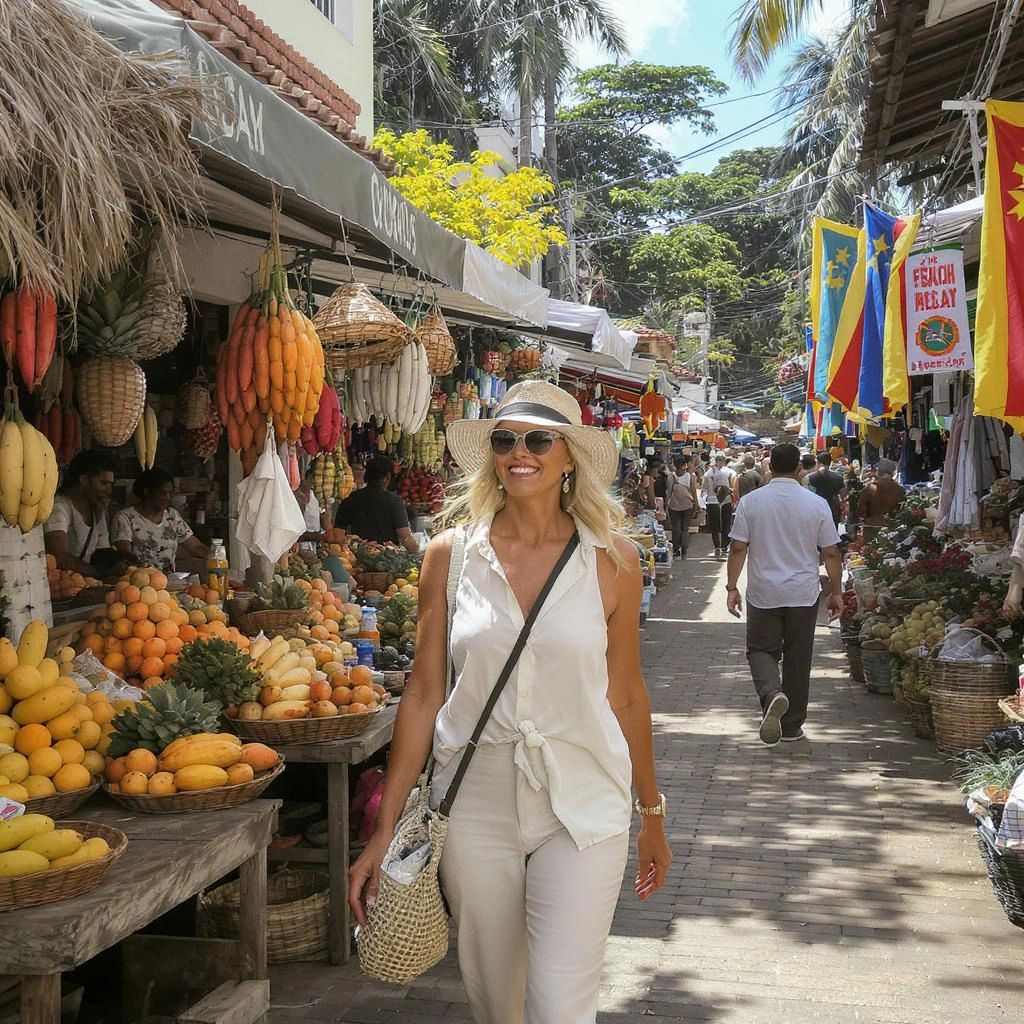
Picture this: You're sipping your morning coffee on a sun-drenched terrace overlooking cobblestone streets in Portugal, or perhaps you're strolling through a vibrant market in Costa Rica, your retirement dollars stretching further than they ever could back home. For many American women, international retirement isn't just a dream—it's becoming an increasingly practical and rewarding reality.
I've been fascinated by the growing number of women choosing to spend their golden years abroad. According to the Social Security Administration, over 700,000 Americans receive their Social Security benefits while living abroad, and women make up a significant portion of this growing demographic. The path to international retirement requires careful planning, especially for women who may face unique challenges around healthcare, safety, and financial management.
Why More Women Are Looking Beyond U.S. Borders
Women are living longer than ever before, with the average American woman expecting to live to 81 years old. This longevity, combined with concerns about retirement savings adequacy, makes international retirement an attractive option. Whether you're recently divorced, widowed, or simply seeking a fresh start, relocating abroad can offer financial relief, cultural enrichment, and a renewed sense of purpose.
The appeal goes beyond economics. Many women find that international retirement provides opportunities for personal growth, learning new languages, experiencing different cultures, and building meaningful communities. Moving abroad can lower your living costs, raise your living standard and preserve your nest egg while offering experiences that domestic retirement simply cannot match.
But let's be honest—the journey requires addressing several critical concerns that keep many women up at night when they're considering this major life change.
The Healthcare Reality Check
One of the biggest concerns I hear from women considering international retirement is healthcare coverage. Here's the reality that might surprise you: Medicare generally doesn't cover medical services outside the United States, with very limited exceptions for emergency care in specific border situations.
This reality requires strategic planning, but don't let it scare you off. If you're eligible for Medicare, think carefully before opting out of coverage. The penalties can be severe if you change your mind later, and many people do return to the U.S., often due to medical issues.
So what are your options? You have several paths forward, and many are more affordable than you might expect.
International health insurance companies like Cigna Global and Allianz Care offer comprehensive plans that typically cost between $2,000-$8,000 annually depending on your age, coverage level, and destination country. When you're researching these plans, make sure they cover preventive care and regular check-ups, prescription medications, emergency medical evacuation, mental health services, and women's health specialists and gynecological care.
But here's something that might surprise you—many popular retirement destinations offer excellent healthcare at a fraction of U.S. costs. In Portugal, EU citizens and residents can access the National Health Service. Costa Rica's social security system provides healthcare to residents for about $100-300 monthly. Mexico's IMSS system offers coverage to legal residents for approximately $350-500 annually. In many countries, a doctor's visit might cost $20-50, and even major procedures can be 60-80% less expensive than in the U.S.
Before you make any decisions, I'd encourage you to research healthcare quality in your target destinations using resources like World Health Organization country profiles. Connect with female expats in Facebook groups specific to your destination to learn about their real-world healthcare experiences. And definitely maintain Medicare Part A at minimum if you're eligible—think of it as insurance for your insurance.
Navigating the Visa Maze

Different countries offer various pathways to residency for retirees, and understanding these options is crucial for long-term planning. Many nations have created specific retirement visa programs to attract foreign retirees and their spending power, which works in your favor.
Portugal's D7 Visa requires proof of passive income around €635 monthly and has led to Portugal becoming a retirement haven. The program offers a path to EU citizenship after five years, which opens up the entire European Union for your retirement adventures.
Costa Rica's Pensionado Program requires $1,000 monthly pension income and offers significant discounts on various services throughout the country. Panama's Pensionado Visa is one of the world's most generous retirement programs, requiring only $1,000 monthly pension income and offering substantial discounts on everything from entertainment to medical care.
If you're looking closer to home, Mexico's Temporary Resident Visa can be obtained by showing $2,700 monthly income or $43,000 in savings, with a path to permanent residency. Ecuador's Investor Visa requires a $25,000 investment in a CD or real estate, or proof of $800 monthly pension income.
As a single woman planning international retirement, additional safety and security considerations are paramount. Research gender safety indexes for your target countries—the Georgetown Institute for Women, Peace and Security publishes annual rankings that can inform your decisions. Connect with other single female expats through organizations like Women Welcome Women Worldwide and country-specific Facebook groups for female expats.
I always recommend considering locations with established expat communities where you can build support networks more easily. The visa application process itself can take 6-18 months, so start early. Consult with an immigration attorney specializing in your target country, gather required documents like birth certificates and police reports, and research income requirements to ensure your retirement income meets visa thresholds.
Managing Your Money Across Borders
This is where things get interesting from a financial perspective. Managing your retirement income from abroad involves navigating complex rules around Social Security, pension distributions, and international banking. The good news? It's entirely manageable with proper planning.
Here's the fundamental rule about Social Security: You can receive Social Security benefits while living abroad in most countries, but there are important exceptions. Countries like Cuba and North Korea have restrictions, and the Social Security Administration maintains a detailed list of payment restrictions by country.
For banking, you have several options. You can set up direct deposit to foreign banks if they can receive U.S. dollar wire transfers, maintain your U.S. bank account and access funds via ATM withdrawals abroad, or work with U.S. banks that have international presence like Citibank or Charles Schwab.
Many private pension plans have specific requirements about maintaining U.S. banking relationships. Some require a U.S. mailing address (consider using a mail forwarding service), a U.S. bank account for direct deposits, or annual certification of continued eligibility. Research your specific plan's rules before making any moves.
The tax situation is something you'll definitely want to understand. As a U.S. citizen, you're required to file annual tax returns regardless of where you live. However, several provisions can reduce or eliminate your tax burden. The Foreign Tax Credit allows you to credit taxes paid to foreign governments against your U.S. tax liability. The U.S. has tax treaties with many countries that can prevent double taxation on retirement income.
Don't forget about state taxes—some U.S. states continue to tax former residents' retirement incomes. Consider establishing residency in a tax-friendly state before moving abroad. I'd strongly recommend consulting with a tax professional experienced in expat taxation and setting up international banking relationships before you move.
Your Safety and Security Matters
For single women, safety considerations are paramount when choosing an international retirement destination. The key is thorough research and connecting with other female expats who can provide real-world insights.
Start by researching the Global Peace Index, which ranks countries by safety and security levels annually. Look at both petty crime and violent crime statistics for your target areas, focusing on crimes against women and elderly individuals. Make sure quality emergency medical care is readily available.
Before you move, join Facebook groups for female expats in your target country. Connect with women's organizations like American Women's Clubs abroad and reach out to real estate agents who work with expat women. Contact local women's groups and volunteer organizations to start building your network early.
Once you arrive, establish relationships with neighbors and local community members. Join hobby clubs, volunteer organizations, or religious communities. Learn basic local language phrases related to emergencies and safety. Register with the U.S. Embassy or Consulate in your new country—this is actually really important and often overlooked.
For personal security, choose housing in safe, well-lit neighborhoods with good public transportation. Establish routines and let trusted contacts know your whereabouts. Learn local emergency numbers and procedures, and maintain copies of important documents in multiple secure locations.
The Essential Scouting Trip

Before making any permanent moves, investing in a thorough scouting trip is essential. I recommend a scouting trip of at least two weeks, and up to three months if possible. The key is to live like a local—shop at the grocery store, ride public transit, and experience daily life rather than tourist attractions.
Plan for at least 2-4 weeks, ideally during different seasons to experience various weather conditions and seasonal variations in cost of living. Stay in neighborhoods you'd actually consider living in, not just tourist areas. Use Airbnb or extended-stay rentals to get a realistic feel for daily life.
During your visit, make sure to visit multiple healthcare facilities and meet with English-speaking doctors. Test public transportation systems and shop for groceries and household items to understand real costs. Visit banks to understand account opening procedures and explore social activities and expat communities. Meet with local real estate agents and attorneys, and if possible, experience part of the visa or residency application process.
Ask yourself some honest questions during your visit: How comfortable do you feel navigating daily activities? Are language barriers manageable for your needs? Does the climate agree with you year-round? Are you comfortable with the pace of life and cultural differences? Do you feel safe walking alone at different times of day? Are essential services easily accessible? Can you envision building meaningful social connections?
Popular Destinations That Welcome Women
While individual preferences vary greatly, certain destinations have become particularly popular among American women retirees due to their combination of safety, affordability, healthcare quality, and expat communities.
Portugal offers excellent healthcare, a strong social safety net, beautiful weather, and a growing English-speaking expat community. The D7 visa program makes residency accessible, and the country ranks highly on women's safety indexes. Cities like Porto and smaller towns in the Silver Coast region offer different lifestyle options depending on what you're looking for.
Costa Rica has long been a favorite for American retirees with its stable democracy, excellent healthcare system, and established expat communities. The Pensionado program offers additional benefits, and the country's focus on sustainability and quality of life appeals to many women seeking a different pace of life.
Mexico's proximity to the U.S., established expat communities in places like San Miguel de Allende and Puerto Vallarta, and significantly lower cost of living make it attractive. The healthcare system offers both public and private options, and the visa requirements are relatively straightforward.
Ecuador offers one of the lowest costs of living for American retirees, excellent weather in cities like Cuenca, and a growing expat community. The healthcare system is improving rapidly, and the dollarized economy eliminates currency exchange concerns—you can use U.S. dollars, which simplifies everything.
Taking Your First Steps Forward
Ready to begin exploring your international retirement options? Start by assessing your financial readiness—calculate your total retirement income and determine how much you need to live comfortably. Research potential destinations and create a shortlist of 3-5 countries that meet your basic criteria for climate, cost of living, and safety.
Connect with expat communities online by joining Facebook groups and forums for American women in your target countries. This is invaluable for getting real-world insights. Consult with professionals—meet with a tax advisor experienced in expat taxation and an estate planning attorney. Start organizing your important documents like birth certificates, marriage certificates, and divorce decrees.
Over the next 3-12 months, plan and execute those crucial scouting trips to your top 2-3 destinations. Research visa requirements and begin gathering documentation. Investigate healthcare options and research insurance possibilities. Start your financial planning by setting up international banking relationships and currency exchange strategies using services like Wise for better rates than traditional banks.
For your longer-term planning over the next 1-2 years, apply for residency visas and begin the formal application process. Plan your actual move by researching shipping options for belongings and temporary housing arrangements. Secure international health insurance and research local healthcare providers. Finalize your banking, tax planning, and income distribution strategies.
Embracing Your Adventure

International retirement represents more than just a change of address—it's an opportunity for reinvention, adventure, and financial security. For women who may have spent decades caring for others, managing households, and building careers, retiring abroad can offer a chance to focus on personal growth, exploration, and creating the lifestyle you've always dreamed of.
The challenges are real—from navigating healthcare systems to managing finances across borders—but they're not insurmountable. With careful planning, thorough research, and learning from others who've made this transition successfully, international retirement can become your most rewarding adventure yet.
International retirement can offer significant financial benefits. In many destinations, you can live comfortably for much less than you'd spend in the U.S. But beyond the financial benefits, countless women have discovered something even more valuable: the confidence that comes from successfully navigating a major life transition and the joy of experiencing the world from an entirely new perspective.
Your second act awaits. With proper planning, professional guidance, and the courage to embrace change, international retirement can offer you not just financial security, but a rich, fulfilling lifestyle that you may never have imagined possible. The world is full of communities of women who've made this journey successfully—and they're waiting to welcome you to your new adventure.
The question isn't whether you can afford to retire abroad—it's whether you can afford not to explore this life-changing opportunity. Your future self is counting on the decisions you make today. Make them with confidence, preparation, and excitement for the incredible journey ahead.