The Emotional Side of Retirement
Okay, deep breath. I'm about to share a statistic that's going to make you wonder what the entire retirement industry has been doing for the past few decades.
Ready?
According to a recent survey, only 11% of financial planners say their clients are prepared for the emotional and mental transition of retirement.
Eleven. Percent.
Let that sink in for a second. We've got an entire industry built around getting us "retirement ready" - apps, calculators, annual reviews, target-date funds, workshops on Social Security optimization - and yet 89% of us are walking into one of life's biggest transitions with our feelings completely unprepared.
So here's my question: Whose job is this supposed to be?
The Elephant in the 401(k) Statement
Think about every retirement planning conversation you've ever had. Your financial advisor wants to talk about asset allocation. Your HR department sends you emails about contribution limits. Your 401(k) provider gives you a nice little projection showing whether you're "on track."
But has anyone - literally anyone - ever asked you: "So, who are you going to be when you stop being the [insert your job title here]?"
Nope? Me neither.
Here's what's wild: We've decided that preparing for retirement is solely a financial exercise. Save enough money, invest it properly, don't outlive your nest egg - boom, you're prepared!
Except we're not. And the 11% statistic proves it.
Who Am I When Nobody Needs Me?

Let's talk about the question that keeps women up at night, the one we're not asking in all those retirement planning sessions:
Who am I when nobody needs me?
Notice I didn't say "when I don't have my job." Because let's be honest - for most of us, our identity isn't just wrapped up in our job title. It's wrapped up in being needed.
We're the ones our kids call when they need advice (or money, or both). We're managing aging parents' doctor appointments. We're the person at work everyone comes to when something needs to get done. We're the friend who remembers birthdays, organizes the gatherings, checks in when someone's going through a rough patch.
Our entire identity is built around being the person people count on.
And then we retire.
The kids are grown and (mostly) handling their own lives. Aging parents may have passed or moved to care facilities. Work colleagues are calling someone else now. And suddenly, on a random Tuesday morning, you wake up and realize... nobody needs you to be anywhere or do anything.
Cue the existential crisis.
Why Isn't Anyone Preparing Us for This?
Here's what I genuinely don't understand: We know this is coming. Retirement isn't a surprise event like winning the lottery or getting struck by lightning. We literally spend decades anticipating it.
So why are we leaving the emotional and identity preparation to... nobody?
Should financial planners be addressing this? Maybe, but let's be real - most got into the business because they love numbers, not deep emotional work. Can we really expect them to suddenly become therapists?
Should HR departments help? They're already stretched thin, and most retirement prep programs are basically "here's how to roll over your 401(k)" followed by a sheet cake in the break room.
Should 401(k) custodians include emotional readiness tools? That would be nice, but they can barely get people to open the statements, let alone engage with their inner feelings about purpose and identity.
Should we be doing this ourselves? Well, yeah - but with what guidance? What framework? Where's the workshop on "How to Build an Identity That Doesn't Require a Paycheck"?
Spoiler alert: It doesn't exist. Or at least not in the mainstream retirement planning world.
The Plot Twist That Gets Everyone
Financial therapist Richard Kahler nails it: Most people look forward to retirement with purely positive anticipation. Sleeping in! No more commutes! Finally reading all those books! Then they actually retire and go, "Oh wow, this is not what I was expecting."
It's not that retirement is bad. It's that the emotional reality is more complex than the vacation brochure version we've been sold.
And here's the kicker: Nearly 56% of retirees in a 2023 Transamerica study had to retire earlier than planned - due to health issues, layoffs, caregiving responsibilities, or other factors outside their control. So not only are we not preparing for the emotional transition, many of us don't even get to choose our timing.
Fun times, right? (I'm kidding. Kind of.)
The Hidden Financial Risk Nobody Talks About
Here's where the money and the identity crisis intersect in ways the retirement industry really doesn't want to discuss:
When you don't have purpose or identity in retirement, you might try to fill that void with spending.
New car to feel accomplished? Check. Expensive vacation to feel adventurous? Check. Retail therapy to feel... anything? Check, check, check.
According to financial wellness expert Susan Zimmerman, many of us have an unconscious equation in our heads: earnings = recognition = worth. So when the earnings stop, we can spiral into feeling worthless - and spending becomes a way to prove we still matter.
The retirement industry will warn you about sequence-of-returns risk and inflation. But nobody's warning you about the "I don't know who I am so I'm going to buy things" risk.
And that's a problem that can drain your retirement account faster than any bear market.
What You Can Actually Do About This
Okay, enough doom and gloom. Let's talk solutions.
Here's what I wish every woman approaching retirement would do - starting at least 3-5 years before that retirement date:
1. Start the Identity Conversation Now
Don't wait until your last day at work to ask "who am I?" Start exploring it now. Journal about it. Talk to friends who've retired. See a therapist if you need to (no shame in that game).
Ask yourself:
- What parts of my work identity do I want to keep?
- What have I been putting off that I'd love to explore?
- What makes me feel most alive and engaged?
- Who am I when nobody's watching?
2. Build a Life Outside of Work While You're Still Working
I know, I know - you're busy. But this is crucial. Start now:
- Join groups that have nothing to do with your profession
- Develop hobbies that challenge you
- Build friendships outside of work
- Volunteer in ways that interest you
The goal is to have other sources of identity and connection BEFORE you need them.
3. Reframe "Needed" as "Chosen"
Here's a mindset shift that helps: Instead of "Who am I when nobody needs me?" try "Who am I when I get to choose what I give?"
Volunteer work, hobbies, learning new skills, mentoring, community involvement - they all provide purpose without the pressure of being indispensable.
4. Find Your "Future You" Council
Talk to women who've already retired. Ask them the real questions:
- What surprised you most?
- What do you wish you'd known?
- What's actually better than you expected?
- How did you rebuild your identity?
- What do you do when you feel untethered?
Their answers will give you a roadmap that no financial calculator ever could.
The Truth They Don't Want You to Know
The retirement industry has a vested interest in keeping you focused on one thing: Do you have enough money?
It's a great question! You absolutely need financial security. But it's an incomplete question.
The complete question is: Do you have enough money AND a clear sense of who you'll be and what will give your life meaning when the paycheck stops?
Because here's what I've learned: You can have a perfect portfolio and still feel completely lost. Or you can have a modest nest egg and wake up every day feeling purposeful, engaged, and excited about life.
Money is necessary. But identity and purpose are what make retirement actually worth living.
Here's What I Want You to Take Away

You are not broken if you're feeling anxious about retirement. You're not weak if the identity question keeps you up at night. You're not unprepared - you're under-supported by an industry that's been asking you the wrong questions.
The transition from "person everyone needs" to "person living life on her own terms" is massive. It deserves preparation, attention, and yes - actual planning.
You've reinvented yourself before. Every time life changed the rules, you figured it out. This is just another one of those moments.
The difference is, this time you get to be intentional about it. You get to decide who you want to be when nobody's writing your job description.
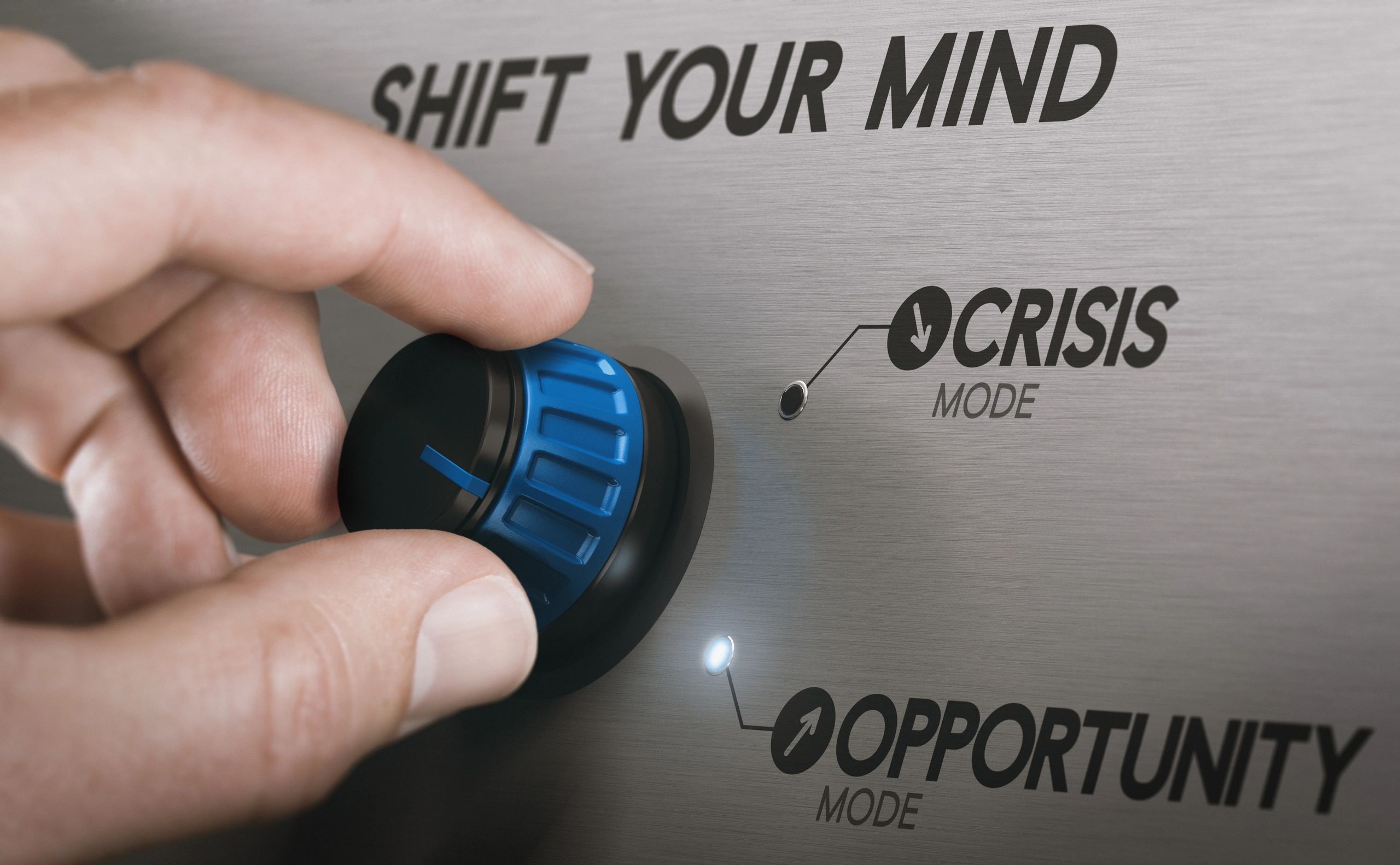
And that? That's not a crisis. That's an opportunity.